
Article Summary:
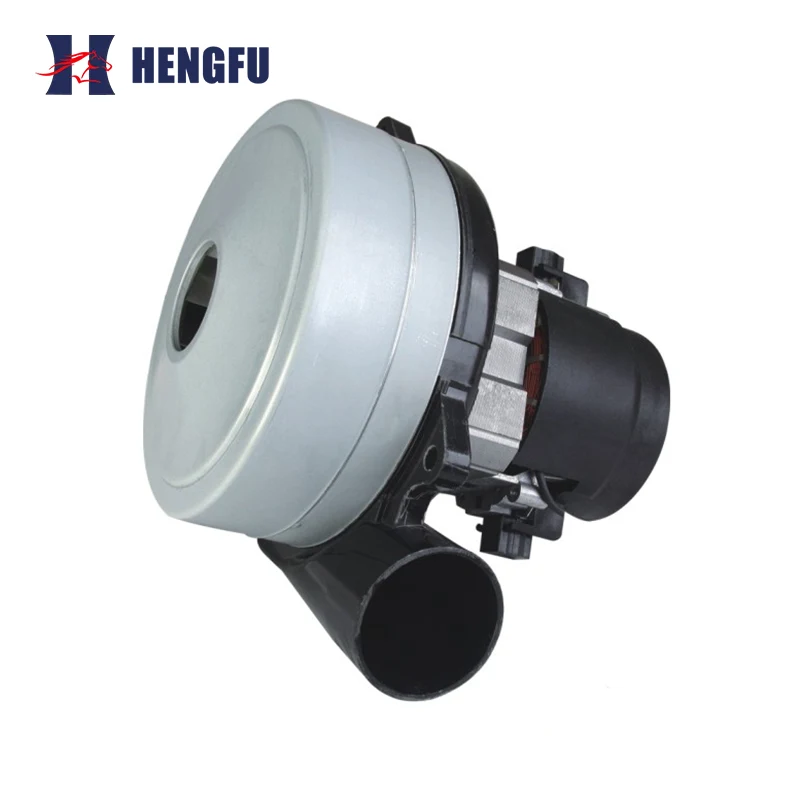
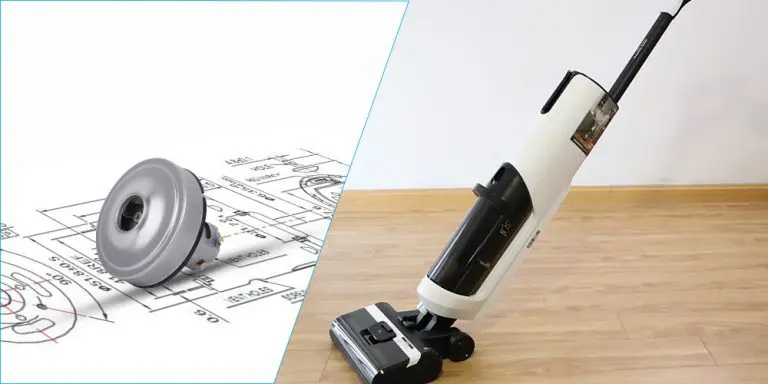
A brushed vacuum cleaner motor is one of the most important components that determines suction power, operating efficiency, durability, and overall cleaning performance. Understanding how this motor works helps manufacturers, distributors, and end users choose the right motor solution for different vacuum cleaner applications. This article explains the working principles, advantages, selection factors, maintenance methods, and common challenges of brushed vacuum cleaner motors. Hengfu provides reliable motor solutions designed to meet the requirements of modern vacuum cleaning equipment with stable performance and customized options.
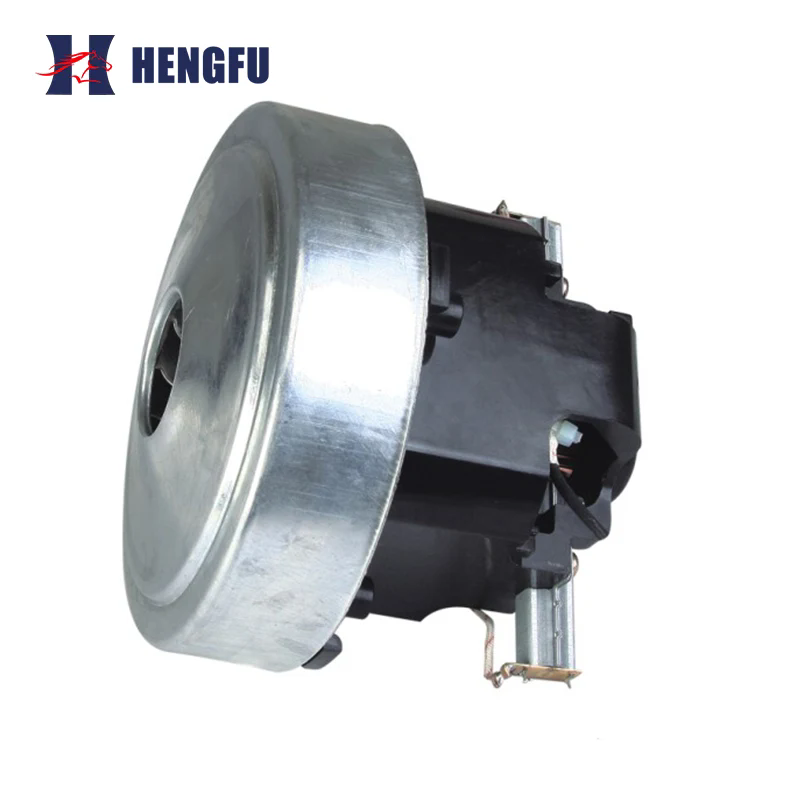
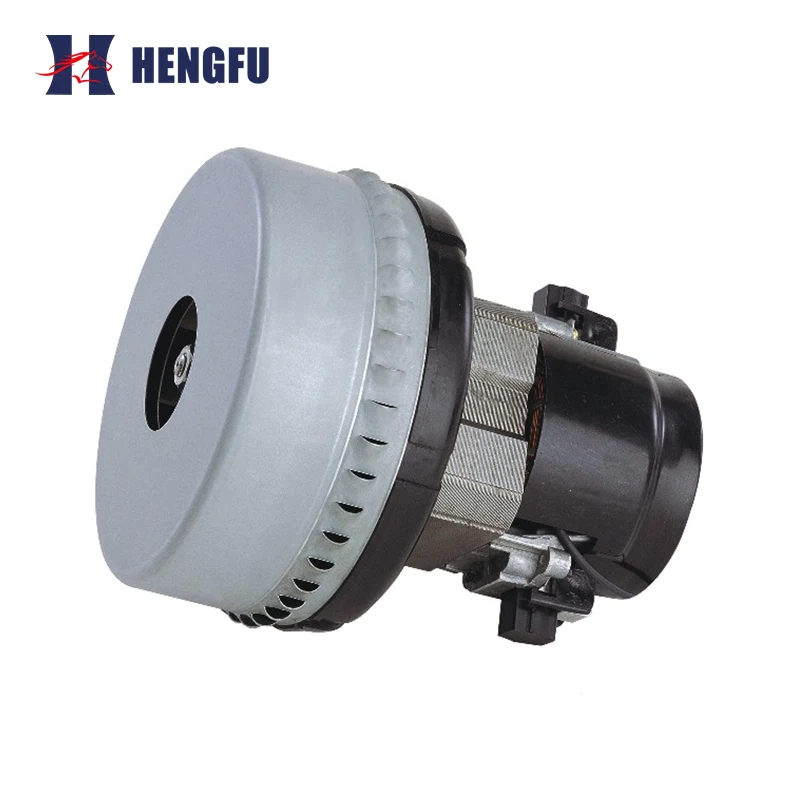
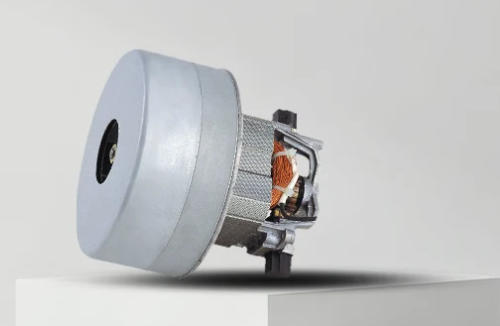
A brushed vacuum cleaner motor converts electrical energy into mechanical energy to generate the high-speed rotation required for suction production. When electricity enters the motor, it creates a magnetic interaction between the stator and rotor. This interaction forces the rotor to rotate, driving the fan assembly that produces airflow inside the vacuum cleaner.
Unlike brushless motors that rely on electronic control systems, brushed motors use carbon brushes and a commutator to transfer current to the rotating part. This traditional design provides a simple structure, proven reliability, and cost advantages, making it widely used in household vacuum cleaners, commercial cleaning equipment, and portable cleaning devices.
The performance of a brushed vacuum cleaner motor depends on several factors, including rotational speed, power output, airflow efficiency, temperature resistance, and mechanical durability. A properly designed motor can provide strong suction while maintaining stable operation during long cleaning cycles.
A brushed vacuum cleaner motor contains multiple precision components that work together to achieve efficient energy conversion. Understanding these components helps equipment manufacturers evaluate motor quality and reliability.
| Motor Component | Main Function | Impact on Performance |
|---|---|---|
| Rotor (Armature) | Rotates under electromagnetic force | Determines speed and torque output |
| Stator | Creates the magnetic field | Affects motor efficiency and stability |
| Carbon Brushes | Transfer electrical current to rotor | Influences service life and maintenance frequency |
| Commutator | Controls current direction | Ensures continuous rotation |
| Cooling System | Reduces operating temperature | Improves durability during extended use |
| Fan Assembly | Creates airflow and suction | Directly impacts cleaning performance |
Each component must meet strict manufacturing requirements because even small defects can affect noise levels, vibration, energy consumption, and motor lifespan.
Although brushless technology has become popular in some applications, brushed vacuum cleaner motors remain an important choice because of their practical advantages. Their mature technology and manufacturing experience allow companies to achieve reliable performance at competitive costs.
For vacuum cleaner manufacturers, selecting a dependable motor supplier is essential because the motor directly affects customer experience. Weak suction, excessive noise, overheating, or short operating life often result from poor motor selection.
Choosing a suitable brushed vacuum cleaner motor requires careful evaluation of application requirements. Different vacuum cleaner designs need different power levels, sizes, and operating characteristics.
| Selection Factor | Important Consideration |
|---|---|
| Power Rating | Select a motor that matches the required suction strength and workload. |
| Speed Range | Higher speed can improve airflow but must balance noise and durability. |
| Motor Size | The dimensions should fit the equipment structure without affecting performance. |
| Noise Control | Optimized design helps reduce vibration and operating sound. |
| Operating Life | Quality materials extend replacement intervals and reduce maintenance costs. |
| Customization Capability | Manufacturers may require special voltage, power, or installation designs. |
Before purchasing motors in bulk, manufacturers should evaluate samples, technical specifications, production capability, and supplier experience. A professional supplier can help optimize motor performance based on the final vacuum cleaner design.
Even high-quality motors may experience performance issues if they are improperly selected, installed, or maintained. Understanding common problems helps users improve equipment reliability.
Selecting a properly engineered motor and following recommended operating conditions can significantly reduce these issues.
Regular maintenance helps extend motor life and ensures consistent cleaning performance. Although brushed motors are designed for durability, proper care remains important.
For commercial cleaning equipment that operates frequently, preventive maintenance schedules can reduce unexpected downtime and improve overall productivity.
Hengfu focuses on providing dependable motor products for various applications, including vacuum cleaning equipment. With professional manufacturing experience and attention to product quality, Hengfu develops brushed vacuum cleaner motors designed for stable operation, efficient power conversion, and long service life.
Hengfu understands that different customers have different requirements. Vacuum cleaner manufacturers may need specific voltage options, mechanical dimensions, performance adjustments, or customized production solutions. By combining engineering expertise with manufacturing capability, Hengfu helps customers develop motors that match their equipment designs.
A reliable motor supplier should not only provide products but also support customers throughout product development, testing, and production stages. Hengfu aims to deliver practical motor solutions that help improve equipment performance and customer satisfaction.
A brushed vacuum cleaner motor is an electric motor that uses carbon brushes and a commutator to transfer electrical current and generate rotation. It powers the fan system responsible for creating vacuum suction.
The service life depends on motor quality, working conditions, maintenance, and usage frequency. Proper operation and regular maintenance can significantly extend motor lifespan.
Yes. Many commercial cleaning machines use brushed motors because they provide strong starting torque, reliable operation, and cost-effective performance.
Common causes include blocked airflow, excessive workload, poor ventilation, worn components, or unsuitable operating conditions.
Yes. Hengfu can provide motor solutions based on different application requirements, including customized specifications for vacuum cleaner manufacturers and equipment developers.
A brushed vacuum cleaner motor plays a critical role in determining suction performance, operating reliability, and user experience. By understanding motor structure, selection factors, common problems, and maintenance methods, manufacturers can make better decisions when developing cleaning equipment.
Hengfu provides professional brushed vacuum cleaner motor solutions designed to meet different application needs with reliable quality and engineering support. If you are looking for a dependable motor partner for your vacuum cleaner projects, please contact us to discuss your requirements and discover the right solution for your products.